 Skip to content
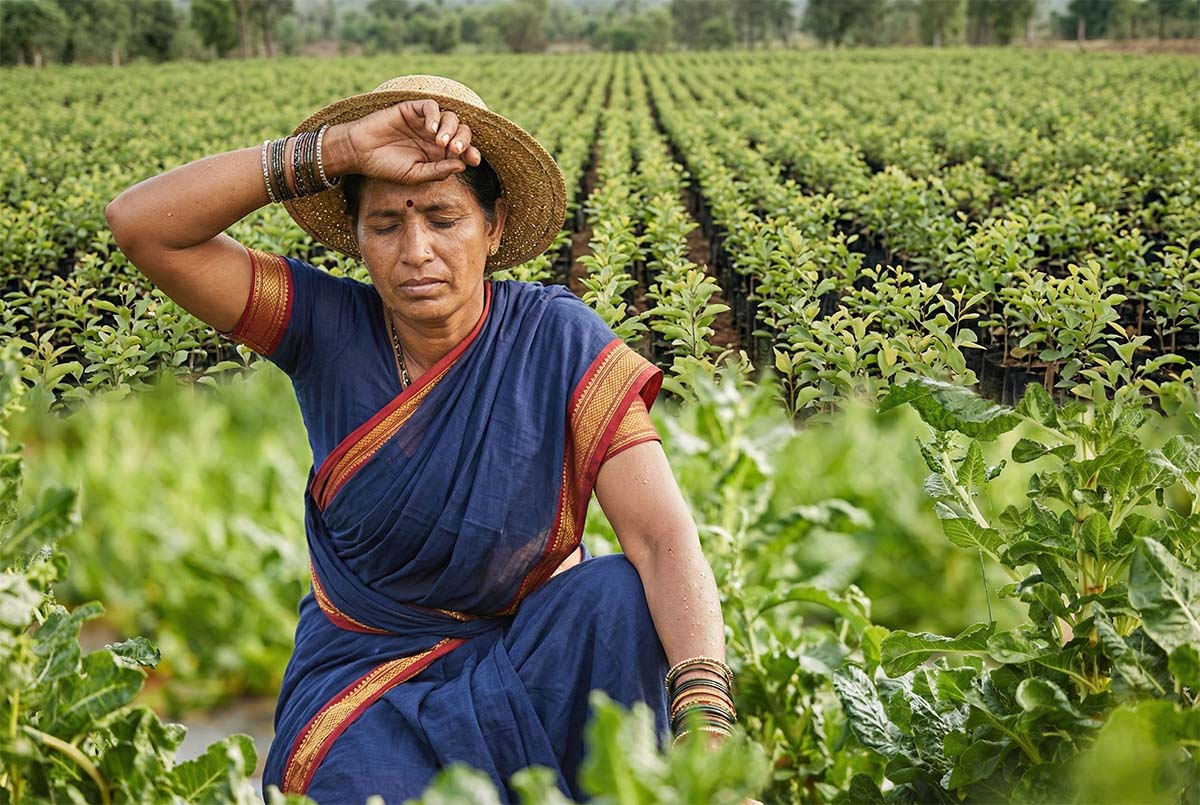
The rising popularity of sandalwood farming has attracted many new growers. While enthusiasm is encouraging, lack of proper knowledge can lead to costly mistakes. Understanding common pitfalls can significantly improve plantation success.
One of the most frequent mistakes is improper sapling selection. Many growers purchase plants from uncertified sources, leading to weak genetics or disease-prone stock. Quality planting material from certified nurseries is critical.
Another major error is neglecting host plants. Sandalwood is a hemiparasitic species that requires compatible hosts for nutrient exchange. Failure to establish primary and secondary host plants can severely stunt growth.
Spacing miscalculations also affect plantation performance. Overcrowded layouts restrict sunlight and airflow, increasing disease risks. Proper spacing ensures healthy canopy development and root expansion.
Irrigation mismanagement is another challenge. Overwatering can cause root rot, while underwatering during early stages can hinder establishment. Balanced moisture management is essential.
Many growers also underestimate security planning. Given sandalwood’s high value, plantations require preventive measures such as fencing, monitoring, and record keeping.
Finally, ignoring legal procedures can create serious complications. Tree registration and compliance with regulations must be treated as integral parts of plantation management.
Avoiding these mistakes allows growers to build resilient plantations and maximize long-term returns.